1300 303 333
How to Settle After Moving to Brisbane
With 4.9 Trusted by thousands of Australians
 Fully Insured
 Trained Staff
 Comprehensive Services
 Transparent Pricing

Removalist Quote
Give the first 48 hours one job
Use the first 48 hours after moving to Brisbane to make the home work, not to empty every carton. Set up beds, one bathroom and enough of the kitchen for breakfast. Then check the keys, power, hot water, phone signal and the route you need tomorrow. A usable home and a known morning trip matter more than perfectly arranged shelves.
Keep one carton for items that turn up in the wrong room. Walking each stray object across the home breaks your rhythm. Sort that carton at the end of the day, stop at a sensible hour and leave decorative boxes until the essentials work.

Learn the three trips you will repeat
Start with the routes that affect an ordinary week: work or school, groceries and medical care. Walk the immediate streets once in daylight and once around the time you usually arrive home. Note steep sections, crossings, building entrances and where visitors can stop. Brisbane spreads across a hilly river valley, so a short line on a map does not always mean an easy walk with shopping or a pram.
Run one practice trip before the first workday if you can. Check where you enter, where you change direction and how long the door-to-door journey takes. Ten useful minutes spent on that route beats an afternoon of sightseeing while the house still lacks towels.

Finish the address jobs in one sitting
Make a single address list instead of relying on memory. Work through your employer, bank, insurers, licence, electoral details, medical providers, subscriptions and anyone who still sends physical mail. Keep the old and new addresses at the top of the page so you do not reverse them halfway through a form.
Photograph meter readings where they apply and save connection confirmations in one folder. If you moved into a unit, add the building manager or caretaker, intercom details, parcel instructions and lift rules to your phone. These small records save another search when a delivery driver calls from the wrong entrance.

Make a unit easy to live in after the lift booking
The moving lift may go back to normal use as soon as your booking ends. Bring flat-packed rubbish and empty cartons down while you still have the access you arranged, but keep any reusable boxes dry and intact. Check the loading area for small items before the truck leaves and inspect corridors for tape, packing paper or loose fittings.
Inside, build one clear path from the front door to the bedroom and bathroom. Avoid stacking cartons against the intercom, switchboard or balcony door. Measure the useful storage before buying shelves. A cabinet that fits the wall can still block a door swing or turn a narrow entry into an awkward corner.

Let the weather decide what you unpack next
Queensland heat changes the order of work. Find fans or cooling controls, light bedding, hats, sunscreen and drink bottles before opening books or ornaments. Keep water within reach while you unpack, and do the heavier lifting earlier in the day when possible. Curtains or blinds deserve attention early if afternoon sun hits a bedroom or home office.
Rain needs a different setup. Put an absorbent mat and old towels near the entry, keep cardboard off wet balcony floors and choose one dry place for footwear and umbrellas. If your first address is temporary, compare the daily commute and unit access as carefully as the rent when you search Realestate.com.au for a longer-term home.

Recover properly after an interstate arrival
Do not plan a full unpack straight after a long road trip. Brisbane is about 900 kilometres from Sydney, roughly 10–11 hours of driving, and about 1,700 kilometres from Melbourne, roughly 18–19 hours of driving. Even when someone else transports the furniture, your own travel, handover and first shop consume time.
Keep medication, chargers, documents, two changes of clothes and basic toiletries with you until the main load arrives. On night one, assemble the bed before anything optional. Fatigue makes misplaced hardware, scratched floors and poor decisions more likely, so leave furniture rearranging for daylight.

Build a week, not a list of attractions
Settling comes from repetition. Choose one regular grocery shop, one walk and one weekly activity, then keep them for a month. You will learn street names and travel times without trying to memorise a city at once. A club, class, library visit or volunteer shift works better than waiting for a broad social circle to appear.
Leave room for contact with people from your old city too. Put one recurring call in the calendar, especially during the first few weeks. A familiar conversation can steady the week without stopping you from building local routines.
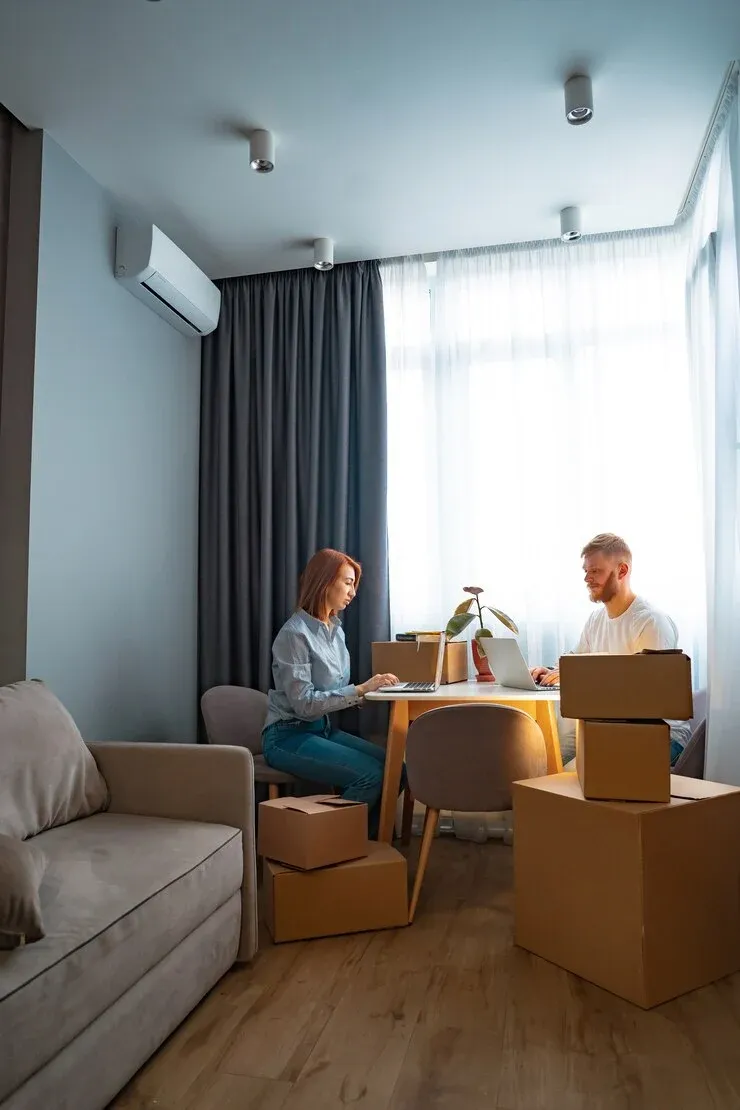
Explore Brisbane with a practical destination
Once the basic rooms work, use real errands to learn more of the city. Pair a needed purchase with a walk by the Brisbane River, South Bank Parklands or the Brisbane Botanic Gardens. You still complete a job, but you also learn which route feels easy and where you might return without turning the day into a sightseeing marathon.
Save longer trips until the home no longer needs constant attention. The Gold Coast sits about 80 kilometres from Brisbane, roughly an hour down the M1, while the Sunshine Coast is about 100 kilometres away, roughly 90 minutes up the Bruce Highway. Those are useful weekend options, not first-week chores.

Close out the move after 30 days
Set a 30-day check for unopened cartons. Decide whether each one belongs in the home, storage, donation pile or rubbish. Do not let a spare room become permanent holding space for decisions you postponed on moving day. Keep a short inventory for anything that stays in storage so you can find it without opening every box.
Check furniture fittings, flatten the last cartons and put basic tools where you can reach them. Walk through the home as if you had just arrived: test every key, find the switchboard and water shut-off, and make sure nothing blocks an exit.
If your dates did not line up, Primove can include storage with the move. The practical aim stays the same: know what remains elsewhere, make the current home usable and bring in the rest only when you have somewhere sensible to put it.
More moving guides
- How to Handle Post-Move ExhaustionRecover from a move by making the bed, eating, drinking water and stopping the heavy work for the day. This guide sets a safe unpacking pace and explains what can wait until tomorrow.
- A Guide to Interstate Moving with KidsBreak an interstate move with children into a packing plan, a travel plan and a first-night plan. This guide covers school records, safe moving-day roles, long road trips and the bags that stay with the family.
- Smart Upgrade: Moving Into a Smart Home withTreat the router, hub and labelled leads as a carry kit, not as ordinary cartons. Take a photo of each connection before you unplug, keep physical keys for smart locks, and get the new address online before the cameras and lights matter. Screens, mounts and boxed bulbs can travel on the truck in closed cartons.
- The Differences Between Interstate and Local MovingLocal moves turn on access and working time, while interstate moves need a complete inventory, a firm handover plan and checks for items that cannot cross a state border. This guide explains what changes in the quote, packing and moving-day plan.
Moving can be an incredibly stressful experience, but Primove made it much more manageable. My family and I recently booked them to help us move to a new house; from the beginning, it felt like we had nothing to worry about. The customer service was excellent – the team responded quickly to our questions and requests, despite how busy they were. They also took great care to ensure all our items were transported safely and arrived in the exact condition we left them in. Highly recommend Primove to anyone looking for an efficient, reliable and stress-free move!
Natalie Herber

REQUEST A QUOTE
Call 1300 303 333 or fill out the form below and we will be in touch shortly.