1300 303 333
Handling Roof and Floor Repairs Before Moving In
With 4.9 Trusted by thousands of Australians
 Fully Insured
 Trained Staff
 Comprehensive Services
 Transparent Pricing

Removalist Quote
Fix the leak before you finish the floor
Handle roof and floor repairs before moving in by fixing active leaks and unsafe flooring first, completing dusty overhead work next, and leaving the final floor finish until the roof work ends. Keep at least two clear days between the last trade and the removal truck for curing, cleaning and delays. If the home cannot stay empty, finish one dry, lockable room and keep the remaining load in storage.
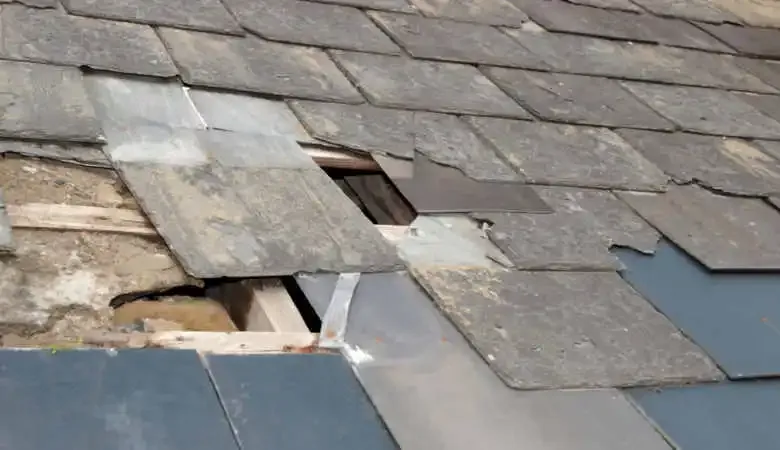
Sort urgent faults from cosmetic jobs
Start with anything that can wet the house, injure someone or block furniture. Active leaks, soft sections, loose boards, raised edges and unstable steps come before scratched timber or a tired colour. Mark each fault on a room plan and photograph it. Separate the list into roof, subfloor and surface finish so a new covering does not hide a damp or moving base.
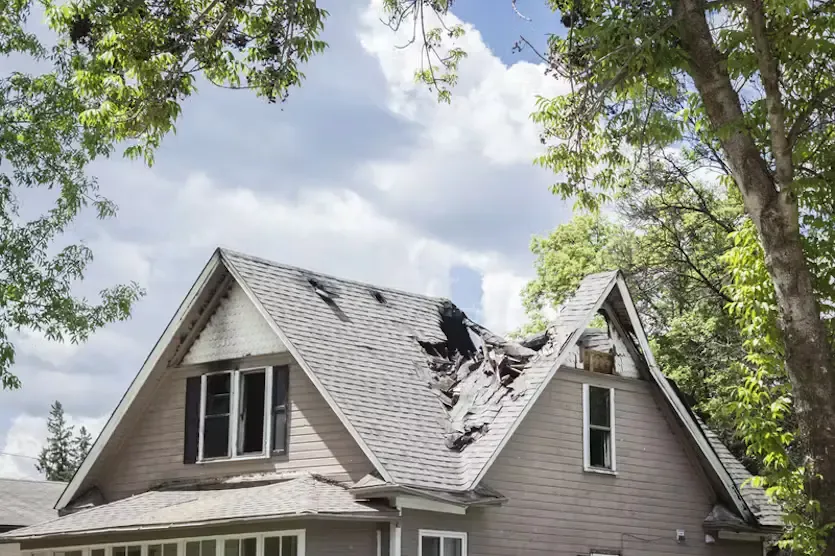
Check the roof without climbing onto it
From ground level, look for displaced sheets or tiles, sagging gutters and damaged flashing. Inside, check ceilings, cornices and the roof space entrance for stains or a musty smell. Queensland storms can expose a fault that stayed quiet during a dry inspection. Photograph marks, keep off the roof and have a qualified roof contractor find the source because water may travel before it appears indoors.

Finish messy roof work before delivery day
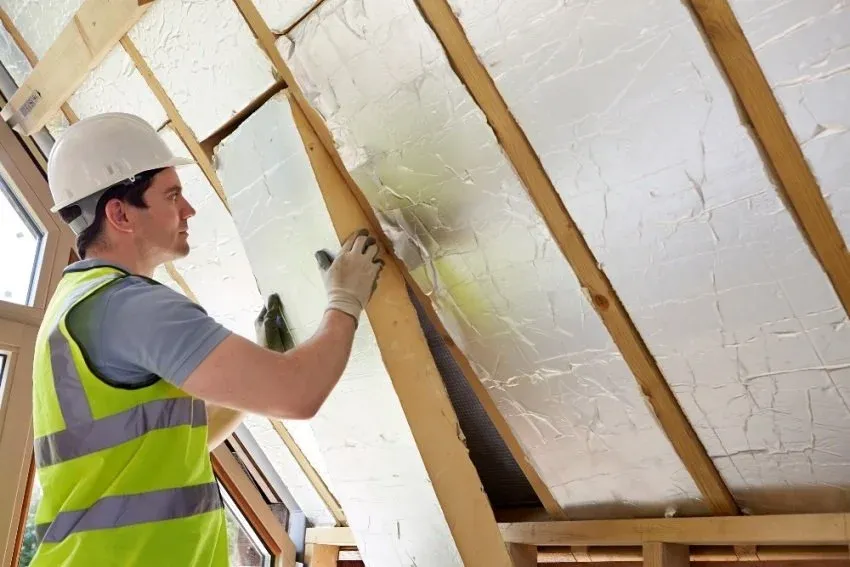
Confirm what the roofer must remove, which rooms they need to enter and how they will check the repair. Roof work can send dust through ceiling openings and leave fasteners outside, so clean the driveway and delivery route afterwards. Keep new flooring covered until ladders leave. Use rigid protection on the walking line, not a loose sheet that can bunch underfoot.
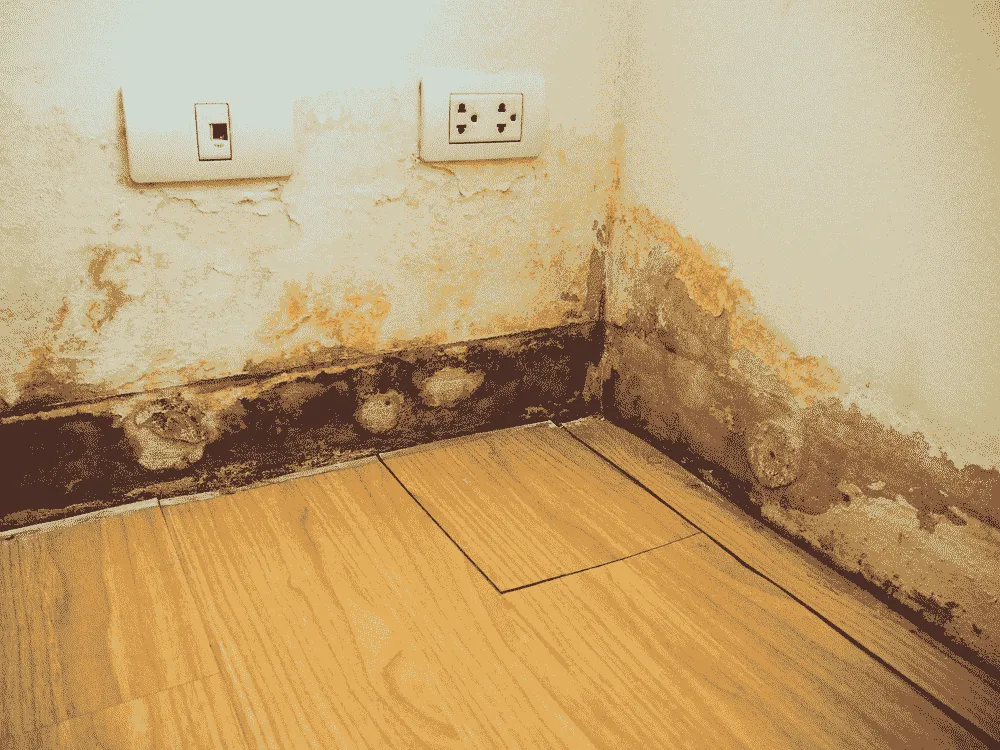
Test the floor room by room
Walk every room in flat shoes and feel for movement, ridges and level changes. Check doorways, wet-area edges and places where heavy furniture will stand. A sticking door, cracked grout or skirting gap gives a contractor a starting point, not a diagnosis. Measure tall furniture too. A thicker finish or threshold can reduce clearance and force dismantling at the doorway.
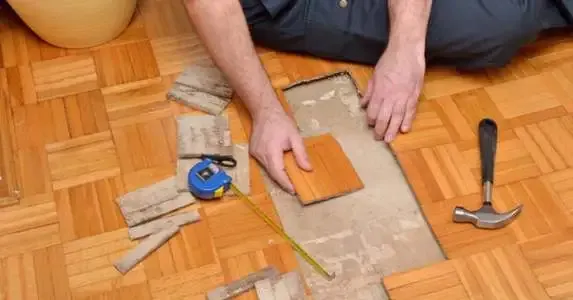
Repair the base before the surface
Ask the flooring contractor whether the fault sits in the covering, subfloor or structure below. Each needs a different scope, and new boards over dampness or movement only hide the symptom. Empty the room before sanding, coating or laying a new surface. Include appliance dimensions and connection points where the finished floor height will change.

Build the budget around dependencies
Get separate scopes for stopping water, repairing the base and applying the visible finish. You can then postpone sanding or a colour change without delaying essential work. Budget for cleaning, floor protection and an extra night away. That overlap may cost less than moving furniture twice. Clear the area below the roof hatch and keep cartons out until the inspection and clean-up finish.
Give wet products and coatings enough time
“Finished” does not always mean ready for furniture. Get the walk-on time, full cure time and earliest date for rugs or heavy appliances from each trade. Humid Brisbane conditions can change drying time, so follow the product guidance. Leave one day to vacuum dust and check door clearance. In a unit, work backwards from the confirmed lift booking.

Decide what happens if the work runs late
Set a decision point 48 hours before loading. Confirm that the roof stays closed to weather, the floors can take foot traffic and all tools have gone. Otherwise, delay delivery or store that part of the load. Decide earlier for an interstate move. Brisbane to Sydney is about 900 kilometres and Brisbane to Melbourne about 1,700 kilometres, so changes become harder once the load travels.

Record the condition before furniture arrives
Take wide photos of each room, then close-ups of joins, thresholds, accepted marks and ceilings below the repair. Furniture soon blocks that clear view. Keep invoices, product names, colours and care instructions together so contractors can match a finish or review a fault without asking you to empty the room.

Give the removalist a safe access plan
Share any off-limits rooms, protected surfaces and doorways where the floor height changed. Keep a continuous path as wide as the largest item, free of loose plastic and tools. Primove can include storage when repair and move dates do not meet. We also need both addresses, stairs or lift restrictions and the large-item list before the day.

Protect the finish during the move
Use clean, rigid protection where trolleys or repeated footsteps cross a new surface. Tape it to itself or as the flooring contractor directs, never onto a fresh coating without approval. Put a clean mat inside during rain and replace it when saturated. Lift furniture rather than dragging it, and keep rugs off until the stated cure period ends.

The final check before loading
Walk from the truck position to every room. Open doors, test thresholds and remove screws, offcuts and dust. If one section still needs work, deliver only beds, essential kitchen cartons and daily clothes to completed rooms. The sequence stays simple: stop water, repair the floor base, finish dirty work, let surfaces cure, clean the path, then bring furniture in.
Moving can be an incredibly stressful experience, but Primove made it much more manageable. My family and I recently booked them to help us move to a new house; from the beginning, it felt like we had nothing to worry about. The customer service was excellent – the team responded quickly to our questions and requests, despite how busy they were. They also took great care to ensure all our items were transported safely and arrived in the exact condition we left them in. Highly recommend Primove to anyone looking for an efficient, reliable and stress-free move!
Natalie Herber

REQUEST A QUOTE
Call 1300 303 333 or fill out the form below and we will be in touch shortly.