1300 303 333
How to Handle Post-Move Exhaustion
With 4.9 Trusted by thousands of Australians
 Fully Insured
 Trained Staff
 Comprehensive Services
 Transparent Pricing

Removalist Quote
Make the first 24 hours smaller
Handle post-move exhaustion by shrinking the first 24 hours to four jobs: drink water, eat a proper meal, make the beds and clear one safe path to the bathroom and exits. Stop lifting once your coordination slips or you start making poor decisions. The rest of the cartons can wait.
We see people lose their last bit of energy trying to make the new home look finished on night one. That usually creates more work. Open only what supports sleep, food, hygiene, medication, children or pets. Put every other task on tomorrow’s list and leave yourself enough energy to lock up, shower and find the light switches before bed.
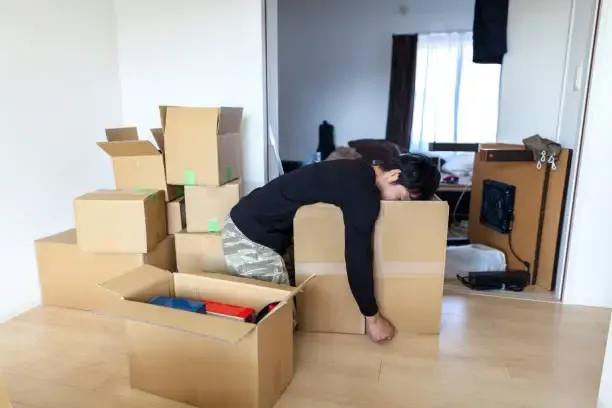
Stop the move before you start unpacking
Call moving day finished before you open decorative boxes. Check that the fridge runs, the hot water works, the doors lock and everyone has somewhere safe to sleep. Keep one clear route through the home and stack unopened cartons against walls, not beside stairs, doorways or the unit entry.
Do a five-minute handover with the household. Put keys, wallets, phones and medication in one known place. Photograph anything you need to follow up, then stop solving problems for the night. A written note takes less energy than trying to hold ten loose jobs in your head.

Build a first-night station
Set up one bedside bag with chargers, toiletries, a change of clothes and any medication you need. Make the bed before assembling shelves or arranging the lounge. If the bed frame will take too long, put the mattress somewhere dry and clear for the night, then tackle the frame in daylight.
Choose food that needs little preparation and leaves little washing up. Eat at the table, bench or a stable chair rather than balancing a plate on a carton. Keep drinking water visible, especially after a humid Brisbane move. Alcohol can wait until the lifting, tool use and furniture assembly have finished.

Use short unpacking rounds
The next day, work in 20-minute rounds with a 10-minute break. Pick one usable outcome, such as clearing the kitchen bench or unpacking enough clothes for three days. Do not bounce between rooms. Half-open cartons spread clutter and make it harder to see what you have completed.
Start at waist height and leave overhead cupboards, flat-pack furniture and heavy boxes until you feel steady. Two people should handle awkward pieces together. If a carton feels wrong when you first lift a corner, put it down and divide the contents rather than dragging it across the floor.

Treat heat and unit access as part of the workload
Queensland heat can turn a modest unpack into another physical shift. Keep the coolest room available for breaks, close blinds on the sunny side and leave garage sorting until the day cools. After a wet move, change out of damp clothes and open any carton that took on water instead of leaving moisture trapped overnight.
Unit moves add lift trips, corridors and loading-area walks even after the truck leaves. Take the lift for cartons if the building permits it and avoid carrying a stack that blocks your view. Remove empty cartons from shared passages as you go, but do not turn the first evening into a full rubbish run.

Allow longer recovery after an interstate move
An interstate move combines unpacking with travel fatigue and a broken routine. Brisbane to Sydney is about 900 kilometres by road, while Brisbane to Melbourne is about 1,700 kilometres. If you drove, flew or managed children and pets along the way, do not plan a full household setup for arrival day.
Keep documents, medication, chargers and two changes of clothes with you during the trip. At the destination, confirm that the essential cartons arrived, note any issue while it remains clear, and leave detailed sorting for the next morning. One working bathroom, one place to sleep and simple food count as a complete first night.
Decide what can wait a week
Separate jobs into three groups: tonight, the next two days and later. Tonight covers safety, sleep, food and medication. The next two days cover work clothes, basic cookware, laundry and the rooms you use. Pictures, books, spare linen and decorative pieces can wait a week without making the home less functional.
Keep a donation carton open while you unpack. Moving something does not obligate you to find it a new shelf. Flatten sound cartons as rooms clear and keep a few for returns or items that still lack a home.
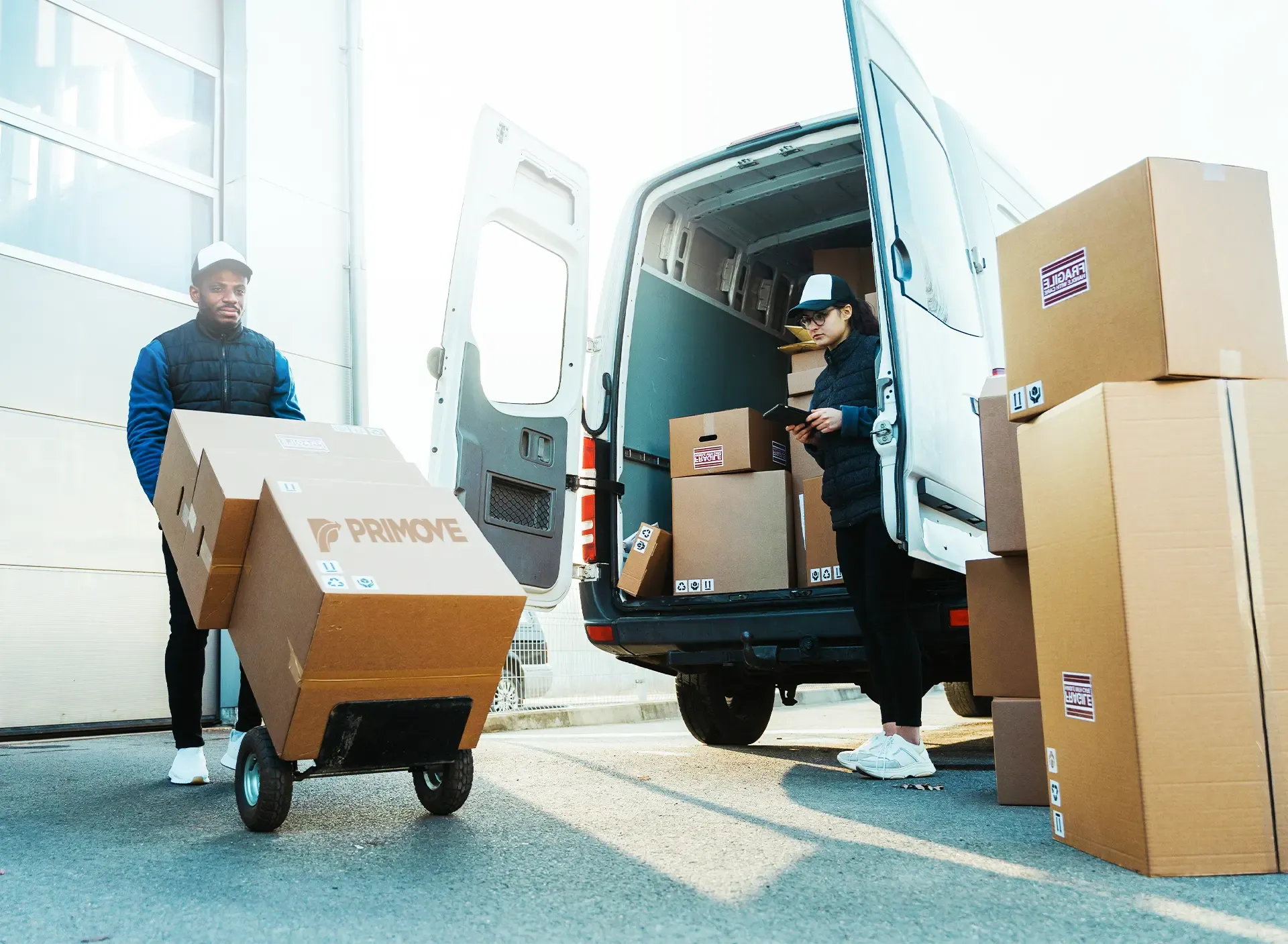
If you want to conserve energy before the truck arrives, Primove can handle packing as part of the move. After delivery, however, recovery still needs a stopping point. Finish one useful room, eat, drink water and sleep before the next round. If exhaustion feels severe, unusual or does not improve with rest, speak with a health professional rather than treating it as another unpacking problem.
More moving guides
- How to Settle After Moving to BrisbaneSettle in by making the home usable first, checking access and services, and learning the trips you will repeat each week. This guide also covers Queensland weather and recovery after a long interstate drive.
- Basic Moving Essentials For an Easier MoveA working removalist's list of what actually makes moving day easier. Pack cartons to a sensible weight, keep three kits off the truck, sort the access plan before the truck arrives, and make the last carton the first one you open.
- How to Pack Lamps and Light Fixtures for MovingUnplug each lamp, remove its bulb and shade, photograph the assembly, then box the base and shade separately. This guide covers packing materials, loose hardware, glass fittings, labels and moving-day handling.
- A Guide to Interstate Moving with KidsBreak an interstate move with children into a packing plan, a travel plan and a first-night plan. This guide covers school records, safe moving-day roles, long road trips and the bags that stay with the family.
Moving can be an incredibly stressful experience, but Primove made it much more manageable. My family and I recently booked them to help us move to a new house; from the beginning, it felt like we had nothing to worry about. The customer service was excellent – the team responded quickly to our questions and requests, despite how busy they were. They also took great care to ensure all our items were transported safely and arrived in the exact condition we left them in. Highly recommend Primove to anyone looking for an efficient, reliable and stress-free move!
Natalie Herber

REQUEST A QUOTE
Call 1300 303 333 or fill out the form below and we will be in touch shortly.