1300 303 333
Do You Need to Renovate Your Driveway Before You Move?
With 4.9 Trusted by thousands of Australians
 Fully Insured
 Trained Staff
 Comprehensive Services
 Transparent Pricing

Removalist Quote
Usually not, and here is how to tell
Usually, no. Most driveways do not need renovating just because a removal truck is coming. Spend 10 minutes walking the route from the street to the front door instead. Repair it before the move only when the surface is unstable, an edge has collapsed, drainage has undermined the path, or a defect makes carrying and trolley work unsafe. If you cannot confirm that the driveway can take the vehicle, keep the truck on the street and plan for the longer carry.
Start at the kerb and follow the exact line people and furniture will take. Look for a safe place to stop, a firm route, enough width at gates and turns, and clear space under trees, eaves and cables. Check the destination driveway as well as the home you are leaving. One poor access point can change the whole loading plan.

Check the route, not the driveway’s age
An old concrete driveway with a few fine cracks may still give movers a sound, level route. A newer surface with a broken edge or rocking slab can cause more trouble. We care about what happens under a boot, trolley wheel and vehicle tyre, not the date someone poured the concrete.
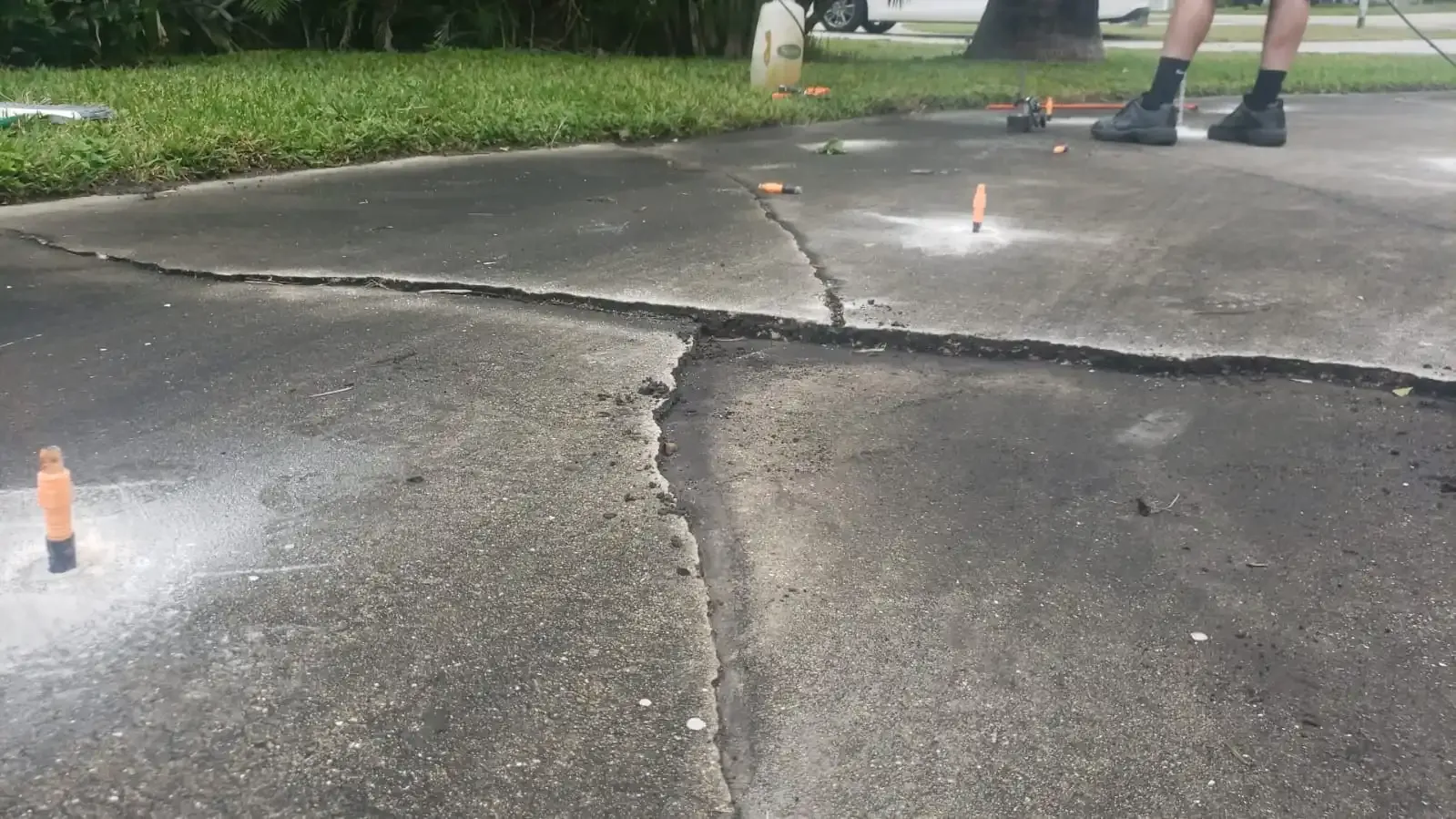
Walk slowly and test for loose pavers, crumbling edges and gravel that shifts underfoot. A trolley wheel can stop hard in a small pothole, throwing the load towards the person steering it. Mark defects that are easy to miss in shade. Do not lay loose boards over a hole and call it fixed. They can slide or tip as soon as a wheel reaches the edge.
Recheck it after rain
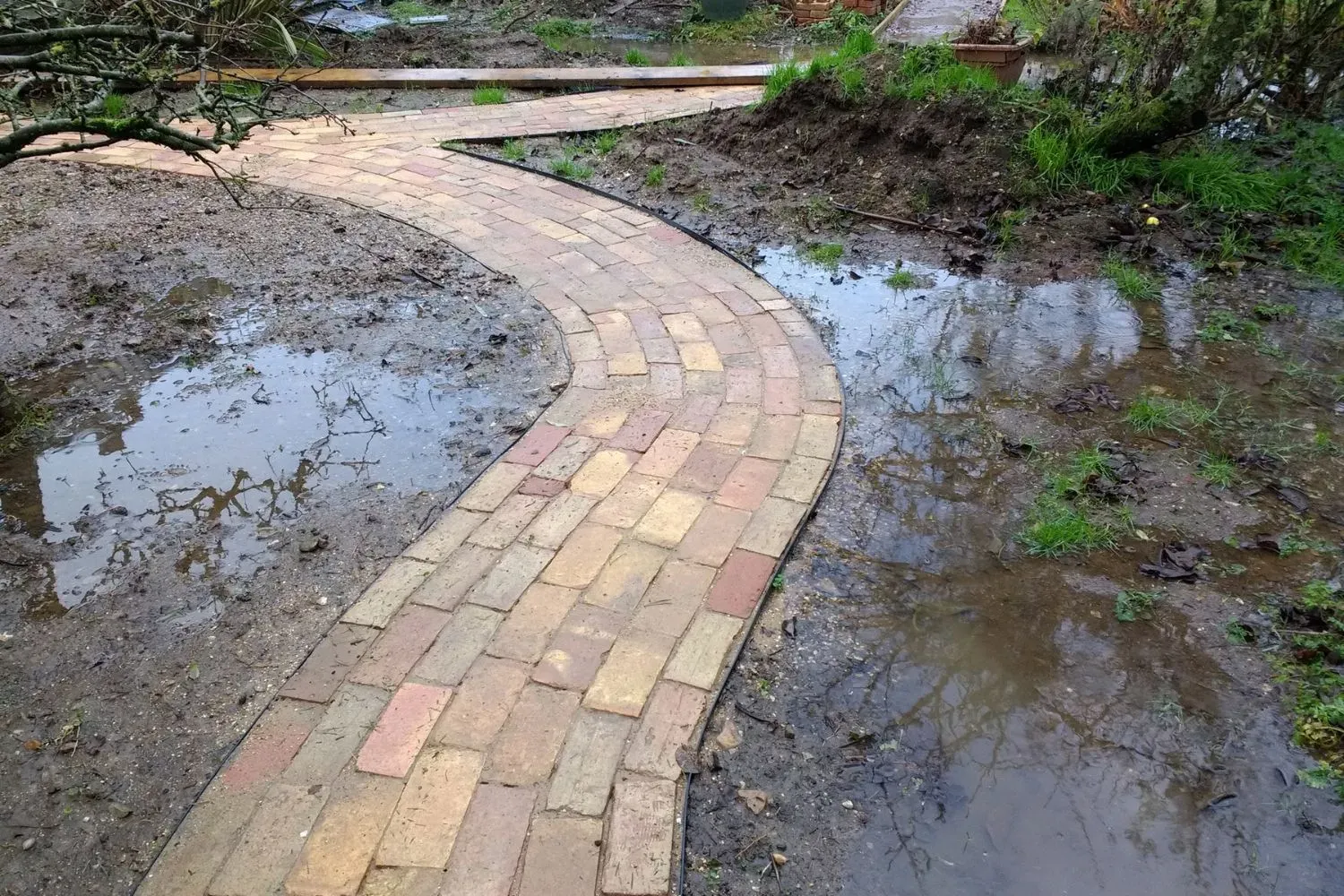
Queensland rain can reveal problems that a dry inspection misses. Look again after a decent shower. Water running across the carrying path creates a slip risk, while pooled water can hide a hole or broken edge. Soft shoulders beside concrete or pavers matter too, especially where a tyre would need to leave the hard surface to make a turn.
Standing water does not automatically mean the whole driveway needs replacing. Clear removable leaves and debris from the route, but leave drainage alterations and subsidence to a suitable contractor. If the ground still moves, sinks or washes away, change the moving-day access rather than testing it with a loaded truck.
Measure the tight parts before deciding
A sound driveway can still be unusable for a truck. Measure the clear opening at the gate, the narrowest point between walls or garden beds, and the height beneath branches, awnings and carports. Note sharp turns and steep changes in slope. Photos from the street and from both directions help a mover understand the approach better than a close-up of the concrete.
Do not trim trees, move a gate or rebuild a retaining edge until you know access is the real problem. Street loading may be the cleaner answer. It adds carrying distance, so keep the route open and include that distance when describing the job.

Match the plan to the surface
Concrete, pavers and gravel each create a different job. Clean, firm concrete usually needs little preparation. Pavers need a check for rocking pieces and raised joints. On gravel, look for deep ruts, loose slopes and soft edges where wheels could dig in. Painted or sealed surfaces may become slippery when wet.
Protection also has limits. Clean mats can keep dirt out of the house and protect the threshold, but they will not strengthen a weak driveway. Avoid plastic sheeting on a walking route because it can bunch under feet and trolley wheels. If a surface needs special protection, agree on the material and who will place it before moving day.

Do not schedule fresh work too close to the move
A new or repaired driveway is not useful access until the contractor says it is ready for the expected load. Curing and reopening times depend on the material, the repair and the conditions, so use the contractor’s written advice rather than a generic number from the internet.
If the dates overlap, separate the two jobs. The truck can remain off the driveway, or the move can happen before work starts. Keep builders’ materials, waste bins and tools out of the carrying path. A partly finished surface with barriers around it often gives movers less room than the damaged driveway did.
Shared driveways and unit moves need another check
For a unit, townhouse or shared property, the driveway may not be yours to alter or block. Check the body corporate or building rules, book any loading area or lift that requires a booking, and find out whether other residents need continuous access. Keep keys, remotes and gate codes with you on the day.
Interstate moves need the same access detail at both ends. A collection driveway in Brisbane tells us nothing about the delivery point after a long road leg. Provide separate photos and measurements for each address, including any loading dock or unit corridor.

Give the mover an access plan
The useful decision is rarely “renovate everything” or “ignore it”. Choose among three practical options: repair the unsafe section, protect a sound surface, or keep the truck off the driveway. Then clear the walking line, unlock gates and move parked cars before the crew arrives.
When booking Primove, include photos of the approach, the narrowest measurements and any soft ground, slope, overhead obstruction or shared-access rule. We can plan around the access you actually have. Renovate first only when a qualified contractor says repairs must come first, or when the move has no safe carrying route without the work.
Moving can be an incredibly stressful experience, but Primove made it much more manageable. My family and I recently booked them to help us move to a new house; from the beginning, it felt like we had nothing to worry about. The customer service was excellent – the team responded quickly to our questions and requests, despite how busy they were. They also took great care to ensure all our items were transported safely and arrived in the exact condition we left them in. Highly recommend Primove to anyone looking for an efficient, reliable and stress-free move!
Natalie Herber

REQUEST A QUOTE
Call 1300 303 333 or fill out the form below and we will be in touch shortly.