1300 303 333
How to Choose the Right Interstate Moving Truck Size
With 4.9 Trusted by thousands of Australians
 Fully Insured
 Trained Staff
 Comprehensive Services
 Transparent Pricing

Removalist Quote
Match the truck to the packed volume
Choose an interstate moving truck by adding the packed volume of every carton and bulky item, then leaving about 10–15 per cent for blankets, gaps and pieces that will not stack neatly. Bedroom counts only give us a rough starting point. Two homes with the same number of rooms can differ by a garage full of tools, an outdoor setting and twenty book cartons.
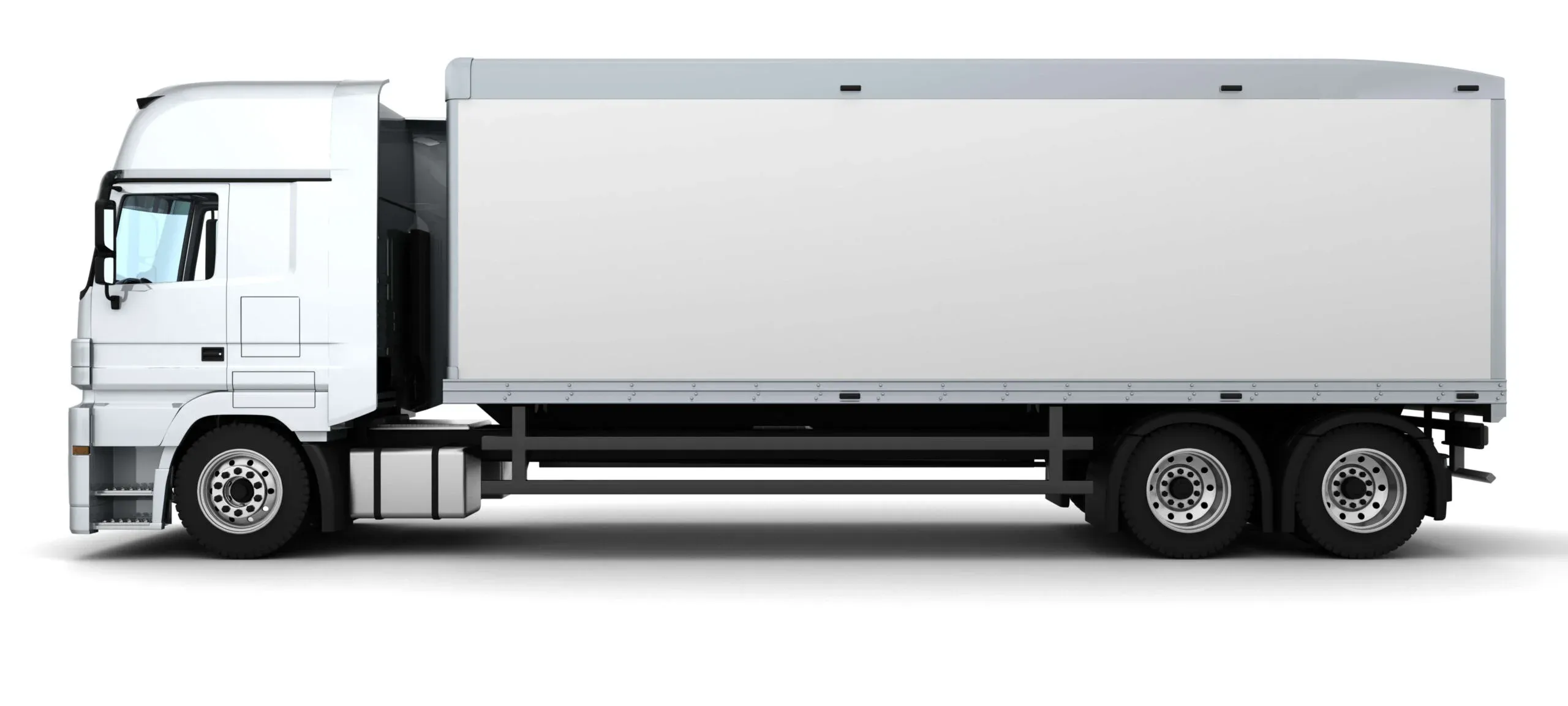
For a useful scale, Primove has a 4.5 tonne truck with 20-25 cubic metres of space and a 10 tonne truck with 50-60 cubic metres. Those numbers describe our trucks, not a universal match for a certain home. A measured list lets us choose between them with far more confidence.
Measure what will actually go on the truck
Work room by room and count cartons by size. A carton measuring 60 by 40 by 40 centimetres takes about 0.096 cubic metres, so 30 of them account for roughly 2.9 cubic metres before we allow for imperfect stacking. For furniture, multiply the longest length, width and height in metres. Treat that result as a planning box around the item, not its solid volume.
Include balcony furniture, pot plants, bicycles, garage shelving, lawn equipment and anything under the house. These are the pieces people often miss. Mark anything that cannot carry weight on top, because a light but fragile item can use more truck space than its measurements suggest.

Check weight as well as cubic metres
Volume tells us whether the load fits inside. Weight tells us whether the vehicle can carry it legally. Books, gym weights, tool chests, stone tables and boxes of tiles can make a compact load surprisingly heavy. Do not assume a truck’s tonne label tells you how many tonnes of belongings it can take.
For a self-drive rental, the hire company should confirm the vehicle’s payload and licence requirements. Give them an honest list of dense items. When removalists quote the job, point those items out separately so they can assess the load rather than relying on carton count alone.

Check the route from the kerb to each room
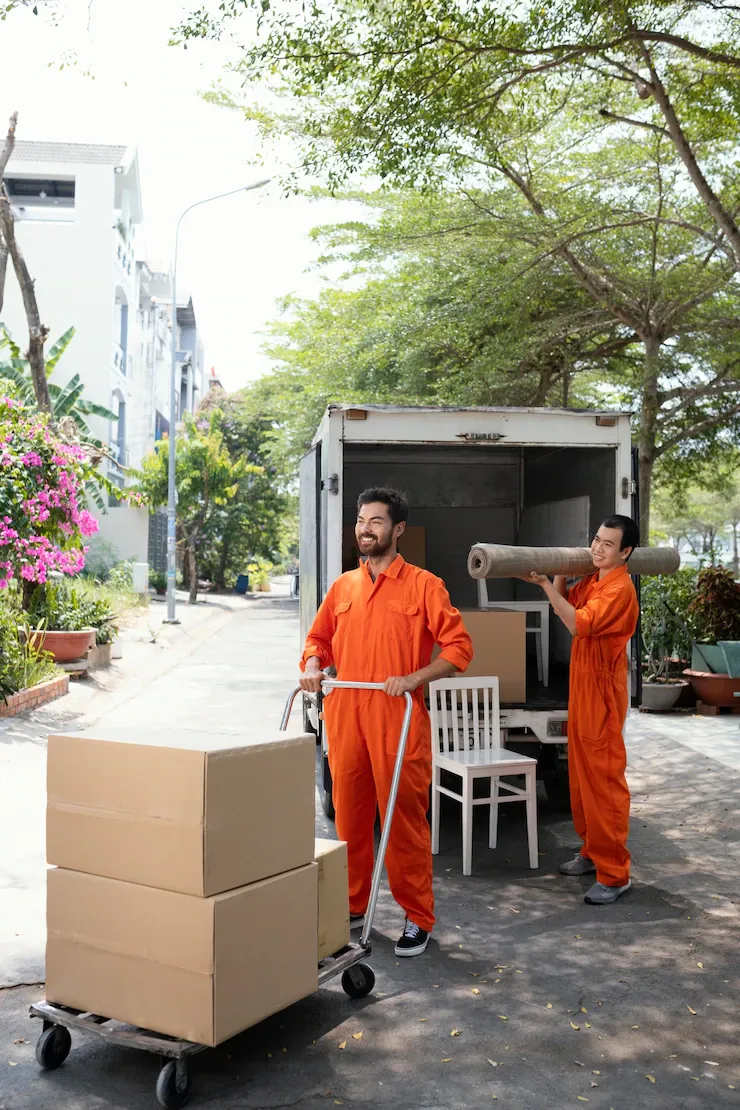
The truck can have enough internal space and still be wrong for the address. Check gate widths, low branches, carport height, steep driveways and the distance from legal parking to the door. At a unit building, confirm the loading area, lift dimensions, lift booking window and any height limit on the vehicle entry.
Access also changes how we pack the truck. If a narrow lift limits item length, a bed frame or table may need to come apart before loading. A long walk from the kerb does not change the cubic metres, but it changes the work and belongs in the quote.
Price the empty margin against a second trip
On a local move, a missed shelf can sometimes follow in a car. Interstate, the stakes change. Brisbane to Sydney is about 900 kilometres by road, while Brisbane to Melbourne is about 1,700 kilometres. A second truck journey quickly outweighs the saving from choosing too little space.
That does not mean paying for the largest truck automatically. Compare the quoted options after the inventory, and remove items you do not want before sizing the load. A small margin helps with packing geometry. A truck that sits half empty usually signals that the inventory or truck choice needs another look.

Allow space for wrapping and awkward shapes
A dining chair does not stack like a carton. Neither does a bicycle, floor lamp, curved bedhead or glass cabinet. Measure these pieces at their widest points and note which ones can nest, stack or come apart. Count mattresses as full rectangular slabs even though they look thin against a wall.
Wrapping adds less volume than poor geometry, but both matter. Blankets protect surfaces from rubbing, while load restraints stop movement during the drive. Never plan a perfectly full rectangle on paper and expect the real load to behave the same way.

Decide what comes apart before moving day
Disassembly can turn wasted air into usable space. Bed frames, modular sofas, dining tables and shelving often pack more cleanly in sections, but taking everything apart also adds work and creates loose hardware. Measure large pieces both assembled and dismantled before deciding.
Keep bolts, brackets and Allen keys in labelled bags. Attach each bag to its item or place every hardware bag in one clearly marked carton that stays easy to reach. Photograph unfamiliar joins before undoing them. If you want the crew to handle disassembly, include those pieces in the original inventory.

Check the dimensions behind the volume figure
Two trucks can advertise similar cubic metres and still have different internal length, width, height and door openings. Compare the tallest item with the door as well as the body. A fridge or cabinet that clears the roof but not the opening still needs another plan.
With a rental truck, read the conditions for fuel, distance, tolls, return time and insurance before comparing the final cost. Also check what the rental includes for load restraint and furniture protection. Cubic metres alone do not tell you whether the vehicle suits the job.

Keep weather-sensitive items out of the guesswork
Queensland heat and sudden rain affect how you prepare the load. Cartons need closed, taped tops, and cardboard should never wait in pooled water. Keep medicines, identity documents, chargers and anything needed during the drive with you rather than using valuable truck time to find them later.
Pot plants, food, liquids and heat-sensitive belongings need a separate decision before you count truck space. Confirm what the mover or rental agreement allows, then remove anything that cannot travel. Otherwise your volume total includes items that will never enter the vehicle.
The inventory matters more than the guess
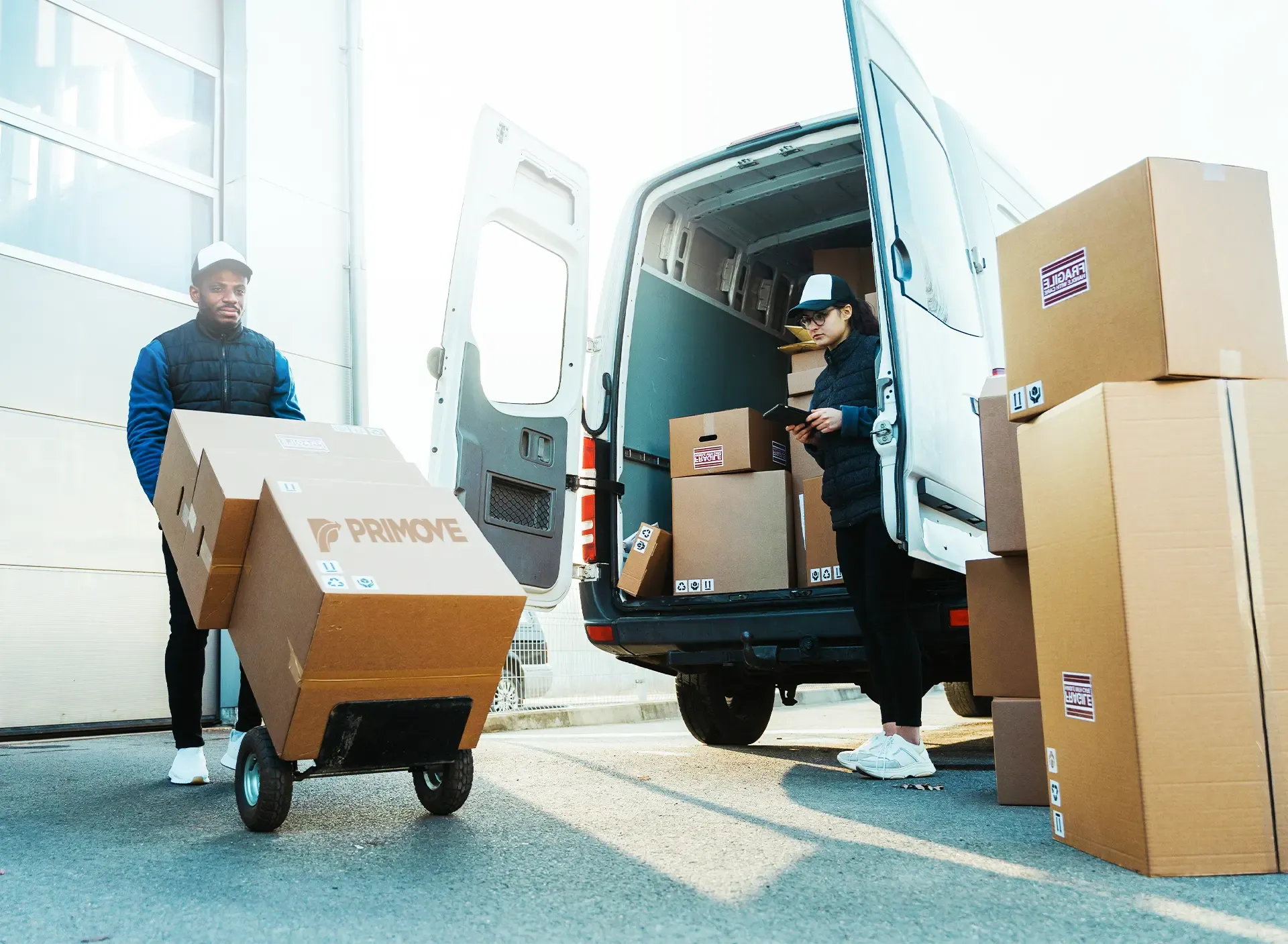
A useful truck-size check combines carton counts, measured furniture, dense items, disassembly choices and access at both addresses. Add the packing margin only after that work. If your estimate lands close to a truck’s limit, review the awkward pieces and weight instead of rounding down.
For an interstate quote, Primove needs both addresses and the complete inventory, including stairs, lifts and parking distance. Interstate work is quoted per job. Good photos of garages, storage areas and unusually large pieces can resolve the gaps that a bedroom count leaves behind.
More moving guides
- The Best and Cheapest Way to Move InterstateThe cheapest interstate move starts by taking less, then choosing a dedicated truck if the dates are fixed or a backload if they can flex. From Brisbane, Sydney is about 900 kilometres and Melbourne about 1,700, so packing, access and weather at both ends matter as much as the highway hours. Keep first-night gear in the car and put furniture and well-packed cartons on the truck.
- The Differences Between Interstate and Local MovingLocal moves turn on access and working time, while interstate moves need a complete inventory, a firm handover plan and checks for items that cannot cross a state border. This guide explains what changes in the quote, packing and moving-day plan.
- How to Chose the Right Interstate Moving CompanyCompare three interstate quotes using the same inventory, access notes and service list. Check how each mover handles timing, backloading, storage, transit cover and changes before you agree.
- The Importance of Interstate Moving InsuranceInterstate moving insurance matters because goods sit on the road for many hours between states, not a local Brisbane job. Transit cover is a separate policy from home contents. Photograph the load, declare high-value pieces and read the terms before collection.
Moving can be an incredibly stressful experience, but Primove made it much more manageable. My family and I recently booked them to help us move to a new house; from the beginning, it felt like we had nothing to worry about. The customer service was excellent – the team responded quickly to our questions and requests, despite how busy they were. They also took great care to ensure all our items were transported safely and arrived in the exact condition we left them in. Highly recommend Primove to anyone looking for an efficient, reliable and stress-free move!
Natalie Herber

REQUEST A QUOTE
Call 1300 303 333 or fill out the form below and we will be in touch shortly.