1300 303 333
Basic Moving Essentials For an Easier Move
With 4.9 Trusted by thousands of Australians
 Fully Insured
 Trained Staff
 Comprehensive Services
 Transparent Pricing

Removalist Quote
The essentials that earn their place
The basic moving essentials are sturdy cartons, packing paper, tape, a marker, a first-night bag, drinking water, basic tools and a clear access plan. Keep a 24-hour kit with you rather than putting it on the truck. Finding one charger or a child’s medication in a wall of identical boxes wastes time.
The access plan matters as much as the gear. Confirm where the truck can stop, measure narrow doorways and note stairs, lifts and long walks from the kerb. For a unit move, check the lift booking and loading-area rules before you choose a time.
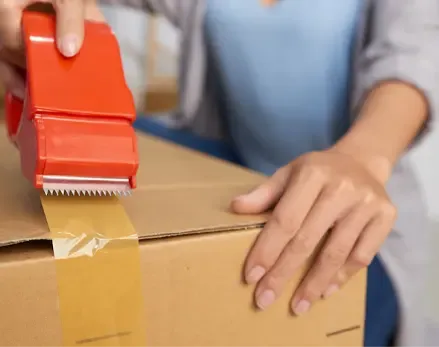
Choose cartons by weight, not room
Books, tins and tools belong in small cartons. Linen and light kitchenware can go in larger ones. A large box full of books may hold together, but one person cannot carry or stack it well. Aim for about 15–20 kilograms per carton and stop earlier if the hand holes start to tear.
Pack paper firmly around crockery so pieces cannot knock together. Avoid newspaper on pale pieces because the ink can transfer. Tape the centre seam and both open edges underneath. On two sides, write the destination room and a useful description such as “pantry, open first”, not just “kitchen”. Numbering every carton makes a missing box obvious.
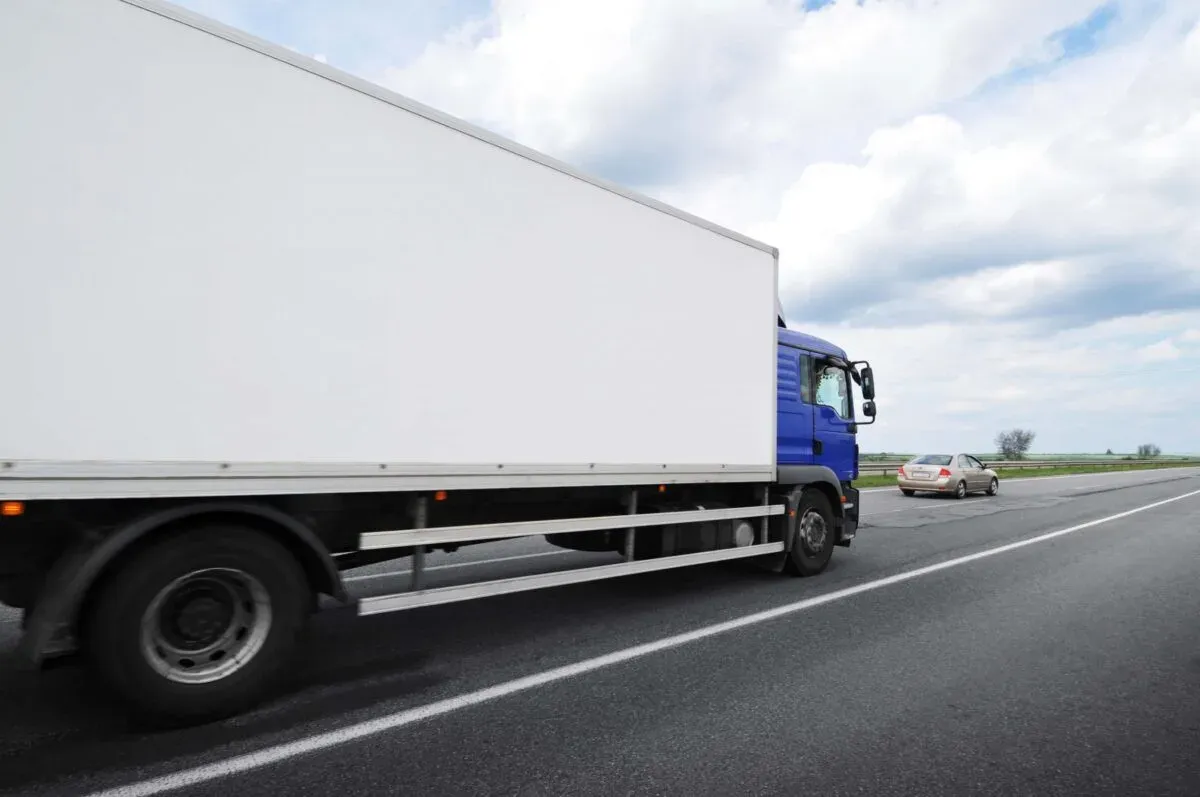
Know what equipment you actually need
A trolley helps on level ground and long corridors, but it becomes awkward on tight stairs. Furniture blankets stop surfaces rubbing, while straps stop loaded pieces shifting in the vehicle. One does not replace the other.
For a self-move, decide who will supply the trolley, blankets and load restraints. Check that straps suit the vehicle’s anchor points and never use loose rope around polished furniture. If removalists are doing the work, describe heavy, tall or fragile pieces when you enquire. They can plan the handling before meeting a stone tabletop at the door.
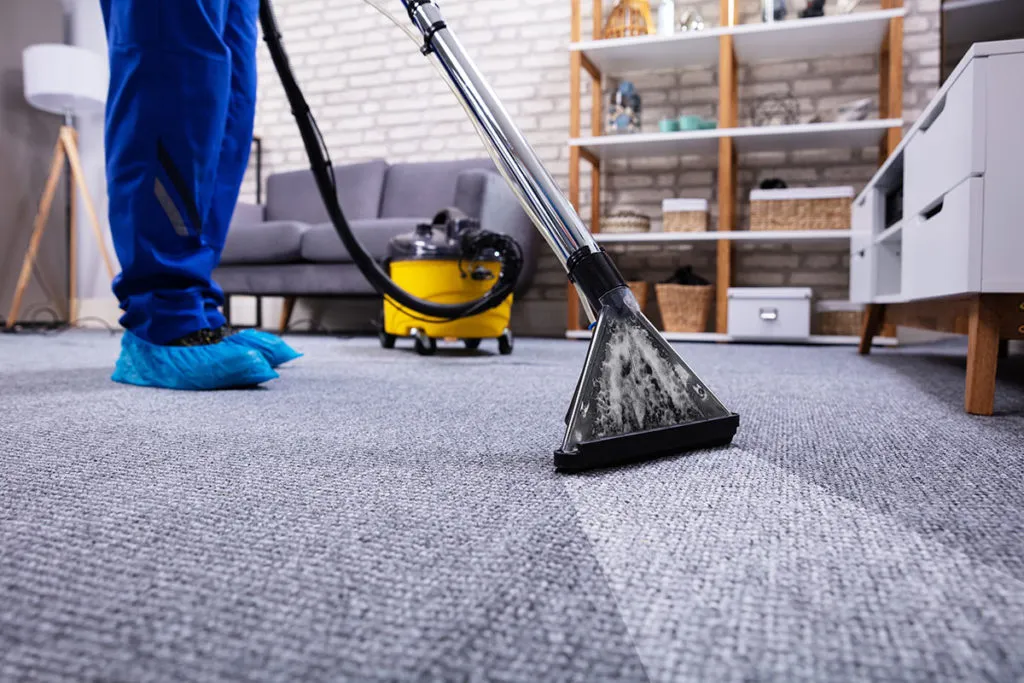
Keep three kits off the truck
Your document kit should stay with you and hold passports, keys, contracts and medication. Keep secure digital copies of important papers, but do not treat a photo as a legal replacement for an original.
The first-night bag needs clothes, toiletries, towels, toilet paper, bedding, chargers and food for pets or children. The cleaning kit needs rubbish bags, cloths, cleaner, paper towel and a broom. Clean each room as packing finishes. Once cartons cover the floor, cleaning gets harder.
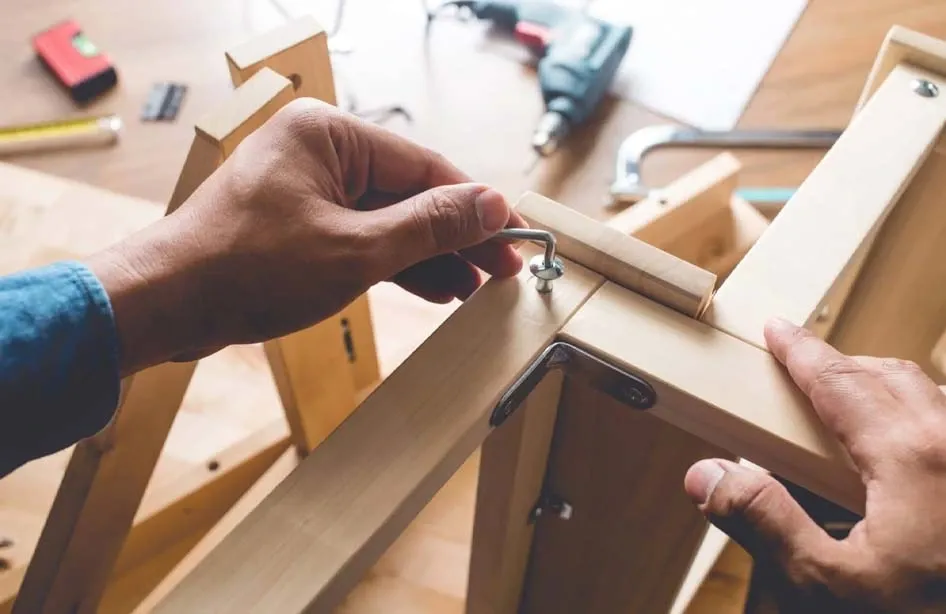
Prepare for heat, rain and loose hardware
Brisbane heat changes the job. Put cold water where everyone can reach it and keep sunscreen and hats outside the load. In wet weather, keep towels near both doors and lay aside dry clothes. A closed carton handles a brief dash better than an open tub, but cardboard should never sit in pooled water.
Keep screwdrivers, a spanner, Allen keys, a tape measure and zip bags together. Put each item’s fittings in a labelled bag, then tape it to the furniture or carry all hardware in one marked container. Your first-aid kit belongs beside the tools, not under the last cartons.

Give the mover the awkward details
A useful quote starts with both addresses, access at each end and an honest inventory. Include stairs, lift restrictions, parking distance, dismantling and heavy pieces. Photos help when an item is difficult to describe.
At Primove, we can supply boxes, blankets, shrink wrap and tape, and we have 4.5 tonne and 10 tonne trucks. The right option depends on the load, so a complete inventory matters more than guessing. For an interstate move, separate what must travel with you. Brisbane to Sydney is about 900 kilometres by road, while Brisbane to Melbourne is about 1,700 kilometres, so pack for the trip as well as the first evening.
Pack in the order you live
Start with display pieces, spare linen, books and out-of-season clothes. Kitchens and bathrooms come later because people keep using them. Finish one cupboard or shelf at a time so packed and unpacked items do not mix.
Declutter before boxing and set a deadline for donations rather than creating a “decide later” pile. Keep one clear path from every room to the exit, with no cartons on stairs or behind doors. On the final night, loose items should belong in your first-night kit or the last marked cartons.

Make the last carton the first one opened
The final carton should hold the kettle, mugs, cutlery, dishwashing supplies, a tool kit and the parts for the first bed. Mark every face “open first” and keep it near the rear of the load.
Before disconnecting electronics, photograph the cable layout and label both ends of each lead. Remove batteries from devices going into storage. Back up computers, then carry portable drives with your documents instead of leaving the machine and its backup in one load.

A ten-minute check before the truck arrives
Walk through every room, balcony, garage and outdoor area. Check cupboards, appliances, power points and the space behind doors. Put keys, phones and documents in their travel bag, then confirm the destination access. Ten minutes can prevent a second trip.
Good preparation means dependable supplies, cartons packed to a sensible weight and vital items kept within reach. Get those decisions right and the crew can spend moving day moving, not hunting for keys, clearing paths or repacking weak boxes.
Moving can be an incredibly stressful experience, but Primove made it much more manageable. My family and I recently booked them to help us move to a new house; from the beginning, it felt like we had nothing to worry about. The customer service was excellent – the team responded quickly to our questions and requests, despite how busy they were. They also took great care to ensure all our items were transported safely and arrived in the exact condition we left them in. Highly recommend Primove to anyone looking for an efficient, reliable and stress-free move!
Natalie Herber

REQUEST A QUOTE
Call 1300 303 333 or fill out the form below and we will be in touch shortly.